
Key Points
- Former BBC newsreader Huw Edwards, 65, reacts angrily when pressed by an interviewer about his crimes in a promotional trailer for the Channel 4 documentary Huw Edwards – Guilty, announced on Thursday, 26 November 2026.
- Huw Edwards – Guilty, produced by Oxford Films and directed by Patrick Forbes, is scheduled to broadcast on Channel 4 at 9:00 pm on Tuesday, 1 December 2026, marking Edwards’s first televised interview since his criminal conviction.
- In the trailer clip, when asked by the interviewer what he thought he was doing, Edwards says, “I’d lost the plot,” and when asked to analyse his actions responds, “You want me to analyse what I was doing? I mean, seriously?”, before snapping, “No, not ‘come on’,” after the interviewer replies, “Oh, come on” (or “Well, come on”).
- Edwards resigned from the BBC in 2024 following grooming allegations—for which he was never charged with a criminal offence—and was subsequently convicted of making indecent images of children after admitting possession of 41 indecent images, including seven Category A images, receiving a six-month prison sentence suspended for two years and placement on the sex offenders’ register.
- Channel 4 Senior Commissioning Editor Sacha Mirzoeff described the programme as a “quest for answers from a man who is trying to come to terms with his abuse of power,” while director Patrick Forbes called it a film touching on celebrity culture, media power, and crime and punishment.
- According to Deadline, Edwards was not paid for his participation in the documentary and was not granted any editorial control, following his earlier remarks on Substack and a March 2026 Channel 5 drama, Power: The Downfall of Huw Edwards, starring Martin Clunes.
London (Britain Post News) November 26, 2026 – Disgraced former BBC newsreader Huw Edwards reacts angrily when questioned about his crimes in a trailer released for Channel 4’s documentary Huw Edwards – Guilty, which is set to air on Tuesday, 1 December 2026. Filmed over nearly a year at his home in rural Wales and following his 2024 conviction for making indecent images of children, the programme represents Edwards’s first televised interview since his fall from public prominence. Channel 4 stated that Edwards was not paid and had no editorial control over the film, while executives framed the broadcast around accountability and abuse of power.
- Key Points
- What Happens in the Channel 4 Trailer When Huw Edwards Is Questioned About His Crimes?
- What Did Channel 4 Executives, Director Patrick Forbes, and Critics Say About the Documentary?
- What Were the Convictions and Allegations That Ended Huw Edwards’s Career?
- Background: How Did the Scandal Unfold Across the Media Before Channel 4’s Documentary?
- Prediction: How Could the Documentary Affect Viewers, Broadcasters, and Public Debate?
What Happens in the Channel 4 Trailer When Huw Edwards Is Questioned About His Crimes?
As reported by The Independent, PA Media (via the Evening Standard), and Deadline (cited via Digg), a short trailer for Huw Edwards – Guilty shows the 65-year-old former news presenter snapping at a journalist when pressed on his offending.
In the clip, when asked about his crimes, Edwards responds: “You want me to analyse what I was doing? I mean, seriously?” When the interviewer asks, “What do you think you were doing?”, Edwards says: “I’d lost the plot.” After the interviewer remarks, “Oh, come on” (reported by PA Media via the Evening Standard as “Well, come on”), Edwards interrupts angrily and says: “No, not ‘come on’.”
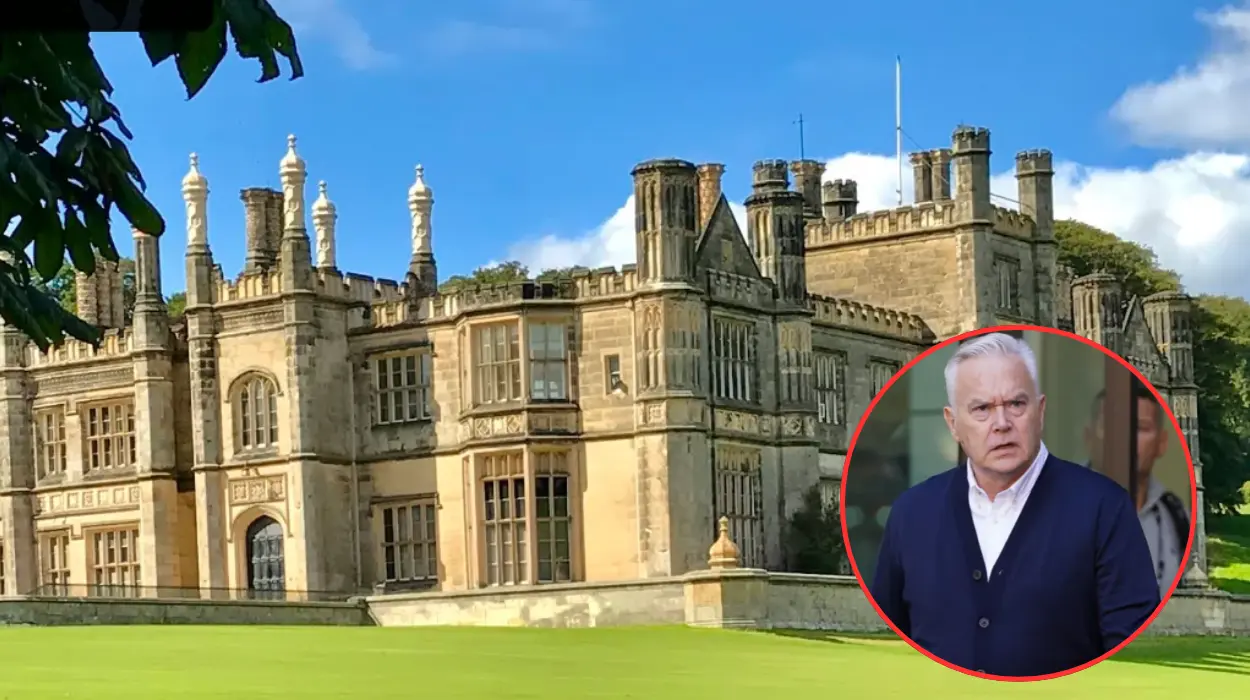
According to Channel 4’s announcement on 26 November 2026 and PA Media (via the Evening Standard), Huw Edwards – Guilty was filmed over nearly a year and follows Edwards at his home in rural Wales, away from London, examining his loss of fame, declining health, fractured relationships, and criminal conviction. The documentary is scheduled to air at 9:00 pm on Tuesday, 1 December 2026, on Channel 4.
What Did Channel 4 Executives, Director Patrick Forbes, and Critics Say About the Documentary?
As reported by The Independent, Channel 4, Hello Rayo, and PA Media (via the Evening Standard), Channel 4 Senior Commissioning Editor Sacha Mirzoeff said in a statement: “Channel 4 has an established reputation for tackling controversial subjects through exemplary filmmaking. Huw Edwards – Guilty is no exception in its quest for answers from a man who is trying to come to terms with his abuse of power.”
As reported by The Independent and Hello Rayo, the documentary was produced by Oxford Films—with Stephanie Collins as producer and Vanessa Tuson and Nick Kent as executive producers—and directed by Patrick Forbes. Patrick Forbes described the project as “an important film to make,” adding: “It’s rare to find a subject that touches on so many significant contemporary issues – whether it’s celebrity culture or the power of the media – as well as enduring questions about crime and punishment.”
As reported by The Independent and Deadline (cited via Digg), Deadline reported that Edwards was not paid for taking part in the documentary and was not given any editorial control. Meanwhile, The Daily Mail (cited via Digg) quoted campaigner Rachel Rebecca Halliwell criticising the decision to feature Edwards in the programme, asking: “Why reward predators with airtime?”
What Were the Convictions and Allegations That Ended Huw Edwards’s Career?
As reported by The Independent and The Guardian (Mark Lawson), Huw Edwards resigned from his longstanding role at the BBC in 2024 after allegations of grooming emerged, though he was never charged with a criminal offence in relation to grooming.
In court, Edwards admitted to possessing 41 indecent images of children that had been sent to him over WhatsApp by another man whom police identified as a convicted paedophile. The count included seven Category A images—the most serious criminal classification—two of which depicted a child aged between seven and nine. Edwards pleaded guilty to three counts of making indecent images of children, received a six-month prison sentence suspended for two years, and was placed on the sex offenders’ register.
Before the scandal, as reported by The Independent and PA Media (via the Evening Standard), Edwards had presented programmes at the BBC over four decades—including BBC News at Six, BBC News at One, and BBC News at Ten, as well as broadcasts on BBC World News—and was widely known for covering major national events, including announcing the death of Queen Elizabeth II in 2022.
Background: How Did the Scandal Unfold Across the Media Before Channel 4’s Documentary?
As reported by PA Media (via the Evening Standard) and The Guardian (Mark Lawson and Stuart Heritage), Edwards’s public downfall began in July 2023 when The Sun published a report—initially without naming him—alleging that a prominent BBC presenter had paid a teenager for sexual images. Following his 2024 court case and conviction, Edwards had previously written about the scandal on his Substack newsletter before agreeing to participate in the Channel 4 documentary.
Earlier in 2026—on 24 March 2026—Channel 5 aired a fact-based drama titled Power: The Downfall of Huw Edwards, written by Mark Burt and produced with Wonderhood Studios, in which actor Martin Clunes portrayed Edwards and Osian Morgan played a pseudonymised version of the teenager central to the initial 2023 allegations. In a March 2026 interview with Mark Lawson of The Guardian, Martin Clunes reflected on the severity of Edwards’s conviction and public standing, stating: “There’s no way back for him. People get forgiven for cheating on their wives and bit of tax evasion. But, this one, I don’t think you do come back.”
Prediction: How Could the Documentary Affect Viewers, Broadcasters, and Public Debate?
The upcoming broadcast of Huw Edwards – Guilty on 1 December 2026 is positioned to affect several audiences and institutions in the United Kingdom:
- Television Viewers and Survivors/Campaigners: Viewers tuning in to the broadcast—including campaigners and members of the public sensitive to child protection and abuse—will see Edwards’s first televised interview since his conviction, likely prompting renewed debate over media scrutiny, victim impact, and whether convicted offenders should be granted broadcast airtime.
- Broadcasters and Documentary Commissioners: Channel 4 and independent production companies such as Oxford Films face editorial and regulatory scrutiny over how interviews with convicted offenders are framed, conducted, and balanced without paying or ceding editorial control to the subject.
- The Media Industry and Public Figures: The programme’s focus on celebrity culture, institutional trust, and abuse of power may prompt further reflection among journalists, public institutions, and high-profile figures regarding accountability following high-profile scandals.