

Key Points
- Council records show 338,400 homes across Britain have been vacant for more than six months—a 10 per cent increase from last year—while 135,580 households, including 177,520 children, live in council-provided temporary accommodation such as hostels, B&Bs, and refuges.
- Temporary accommodation cost councils in England £2.8bn last year, prompting Chris Bailey, director of policy and campaigns at Action on Empty Homes, to urge government funding for councils to purchase empty properties.
- In Middlesbrough, 1,529 homes (2.3 per cent of 67,058 properties) are long-term vacant alongside 100 households in temporary accommodation costing £2.8m last year, even as more than a third of purchases go to buy-to-let investors at an average September sold price of £140,000.
- In Kensington and Chelsea, 2,475 long-term empty homes (3 per cent of 89,790 properties) and 8,395 second homes (9 per cent) sit alongside 1,810 households in temporary accommodation—including 2,250 children—and 2,206 households on the council’s housing waiting list.
- In Cornwall, 12,906 second homes (nearly 5 per cent of 289,059 homes, reaching 42 per cent in Rock) contrast with 867 households and 781 children in temporary accommodation costing £16m last year, while doubling council tax on second homes raised more than £24.7m.
- In Newham, 7,561 households—including 10,952 children, or 60 out of every 1,000 households—live in temporary accommodation at a cost of £142m last year, alongside 2,375 long-term vacant homes (1.8 per cent), while regeneration has begun on 2,300 homes at Stratford’s Carpenters Estate.
- In Liverpool, 4,928 long-term empty homes exist alongside 1,847 households (1,710 with children) in temporary accommodation, as Liverpool City Council targets bringing over 1,000 empty properties back into use over four years with grants up to £20,000 on around 360 sites.
- The Independent and charity EveryYouth have entered week two of Project Nest, aiming to raise £200,000 to buy and renovate three properties in Sheffield, Fife, and Basingstoke for working young people aged 16 to 25.
LONDON (Britain Post News) November 28, 2026 – Council records reveal that 338,400 homes across Britain have stood empty for more than six months—a 10 per cent rise over the past year—while 135,580 homeless households, including 177,520 children, are housed in temporary accommodation. Temporary housing cost councils in England £2.8bn last year, prompting campaigners to call for public funding to bring vacant stock back into residential use. Meanwhile, the Ministry of Housing, Communities and Local Government says families in B&Bs for over six weeks have dropped by 77 per cent since the peak, as The Independent and EveryYouth campaign to raise £200,000 under Project Nest.
- Key Points
- Why Are 338,400 Homes Empty Across Britain Amid Rising Homelessness?
- How Is the Empty Homes Crisis Affecting Middlesbrough?
- What Is Driving Vacant and Second Homes in Kensington and Chelsea?
- How Do Second Homes Impact Housing and Budgets in Cornwall?
- Why Does Newham Have the Highest Rate of Temporary Accommodation in the UK?
- What Is Liverpool City Council Doing About Its 4,928 Empty Properties?
- What Has the UK Government Stated About Temporary Housing and Empty Homes?
- How Will Project Nest Use Renovated Empty Homes to House Young Workers?
- Background of England’s Temporary Accommodation Pressures and Council Tax Reforms
- Predictions on How This Development Will Affect Councils, Homeless Households, and Property Owners
Why Are 338,400 Homes Empty Across Britain Amid Rising Homelessness?
As reported by Alex Ross of The Independent, some 338,400 homes have remained empty for more than six months according to council records this year—a 10 per cent increase compared with last year—at the same time as 135,580 households, comprising 177,520 children, are living in council-provided temporary accommodation such as hostels, bed and breakfasts, and refuges. Although some local authorities provide grants to refurbish empty properties and others apply higher council tax charges, campaigners acknowledge there is no single cause or solution to the problem.
Chris Bailey, director of policy and campaigns at Action on Empty Homes, is urging the government to provide funds for councils to acquire empty homes to ease social housing waiting lists and curb reliance on temporary accommodation, which cost councils in England £2.8bn last year. Speaking to The Independent, as reported by Alex Ross of The Independent, Chris Bailey stated, “We are literally putting those people [in temporary accommodation] in living hell, ruining their lives and costing the country money.”
How Is the Empty Homes Crisis Affecting Middlesbrough?
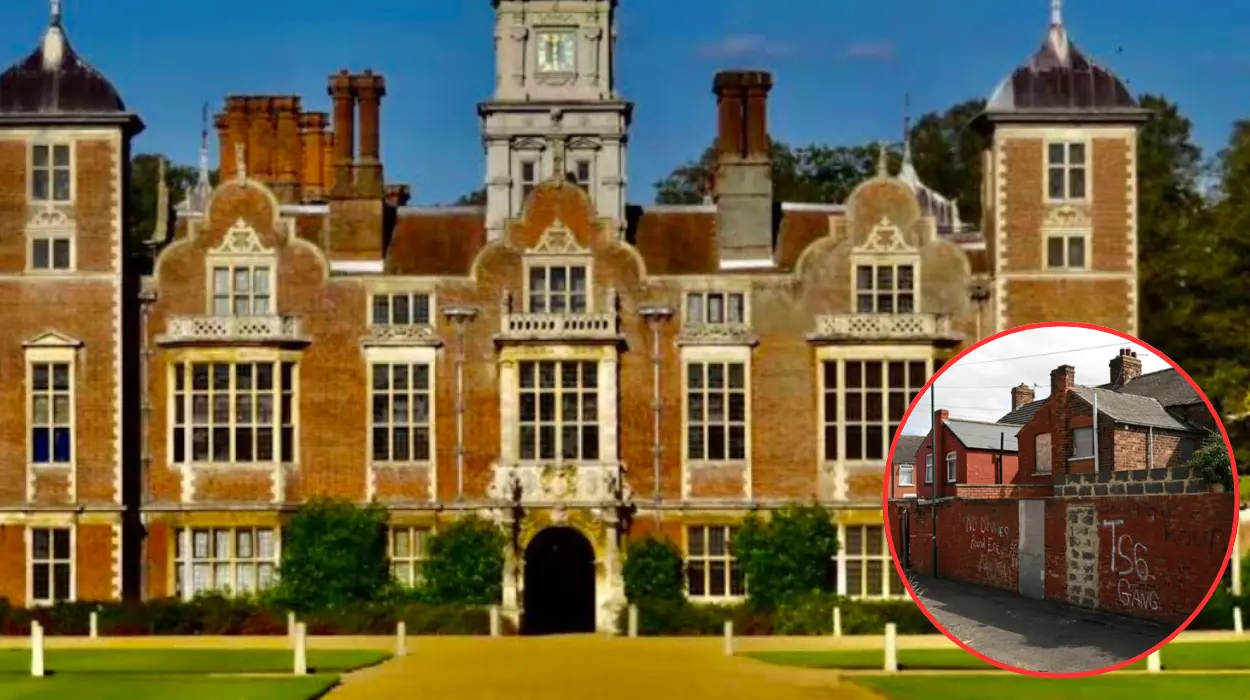
As reported by Alex Ross of The Independent, Middlesbrough—once an iron and steel industrial centre known as “Ironopolis” in the 19th century before industrial decline led to economic hardship, deprivation, and high unemployment—records one of the highest rates of long-term vacant properties in the country, with 1,529 homes empty, representing 2.3 per cent of its 67,058 dwellings. Earlier in 2026, Middlesbrough was also named the UK’s crime capital outside London following a head-on crash linked by local police to organised crime that killed five men and two police officers.
Despite more than a third of property purchases in Middlesbrough going to buy-to-let investors drawn by low prices—with the average sold price reaching £140,000 in September—many landlords encounter poor housing conditions. As reported by Alex Ross of The Independent, Chris Bailey stated, “Areas like Sunderland and Middlesbrough have large amounts of relatively cheap, terraced housing. There has always been an issue with some of the homes because they require investment, are relatively small and poorly insulated.”
Continuing his assessment of the local market, Chris Bailey stated, “Landlords can then face the issue of alot being on the market, depopulation of the young, which can lead to long-term empty homes.” Middlesbrough also has 100 households in temporary accommodation, costing the council £2.8m last year. While Middlesbrough Council did not respond directly to The Independent on the issue, its website notes that returning empty homes to use increases local housing supply and that boarded-up properties can contribute to crime and antisocial behaviour.
What Is Driving Vacant and Second Homes in Kensington and Chelsea?
In London’s smallest borough, Kensington and Chelsea—spanning five square miles with an average property price of £1.2m—one in five neighbourhoods ranks among the most deprived in England and Wales, and one in four children lives in poverty. As reported by Alex Ross of The Independent, the borough has 1,810 households in temporary accommodation, including 2,250 children, alongside 2,206 households on its housing waiting list.
At the same time, Kensington and Chelsea records 2,475 long-term empty homes—3 per cent of its 89,790 dwellings—and 8,395 second homes, accounting for 9 per cent of total housing stock, as the district attracts “buy-to-leave” investors holding properties while land values rise. Addressing that practice, as reported by Alex Ross of The Independent, Jess Turtle, co-director of the charity Museum of Homelessness, stated, “People investing in property and then land banking it is really, really wrong and shouldn’t be happening so much given that we’ve got a crisis.”
The Royal Borough of Kensington and Chelsea applies premium council tax surcharges of up to 400 per cent on empty and second homes depending on the duration of vacancy. Conservative councillor Cem Kemahli, lead member for housing, attributed pressures in part to the government’s Renters Rights Act, which he said triggered a “huge exodus” of rental homes from the market. As reported by Alex Ross of The Independent, Councillor Cem Kemahli stated, “Like the rest of London, Kensington and Chelsea faces significant housing pressures, particularly as we have some of the highest private rents in the country and demand far outstripping supply. We’re working hard to prevent homelessness and find suitable accommodation for those who need it, and our work has helped reduce the number of our households in temporary accommodation by 9.5 per cent over the past year.”
How Do Second Homes Impact Housing and Budgets in Cornwall?
As reported by Alex Ross of The Independent, government figures show 12,906 second homes across Cornwall this year—nearly 5 per cent of the region’s 289,059 properties—rising to 42 per cent of parish properties in coastal destinations such as Rock, where many houses remain dark during winter months. Simultaneously, Cornwall has 867 households in temporary accommodation, including 781 children, costing the council £16m last year.
To address the shortfall, Cornwall Council began charging second-home owners double the standard council tax rate last year, generating more than £24.7m according to a report by Cornwall Live. A Cornwall Council spokesperson stated that the authority is committed to purchasing and refurbishing disused properties, expanding homes for single people, and deploying its housing stock for homeless households. As reported by Alex Ross of The Independent, the Cornwall Council spokesperson stated, “We are working hard to bring more social and affordable homes to areas where they are most needed, through our own housebuilding programme and grants and support for registered providers and community organisations. We know that emergency accommodation can be unsuitable and costly, which is why we are continuing to build our own stock of emergency temporary accommodation so that fewer residents are housed in B&Bs or hotels.”
Why Does Newham Have the Highest Rate of Temporary Accommodation in the UK?
In the inner London borough of Newham—home to nearly 400,000 residents across districts such as East Ham, Canning Town, and Stratford—almost half of residents live in poverty after housing costs. As reported by Alex Ross of The Independent, 7,561 households in Newham, including 10,952 children, live in temporary accommodation—the highest rate in the UK at 60 out of every 1,000 households—costing the council £142m last year, while 2,375 properties (1.8 per cent of housing stock) are classified as long-term vacant.
At the Carpenters Estate in Stratford, more than 400 homes stood empty for years before work began last year on a £1bn regeneration project set to deliver 2,300 homes, half of them affordable. Commenting on conditions in the borough, as reported by Alex Ross of The Independent, Chris Bailey stated, “In places like Newham, we have created a sort of housing purgatory for people. Some people are stuck in this for years, and its being funded through public funds. The pressure on temporary accommodation clearly needs to be alleviated, and one way to do that is the council acquiring empty homes.”
What Is Liverpool City Council Doing About Its 4,928 Empty Properties?
As reported by Alex Ross of The Independent, Liverpool—named European Capital of Culture 18 years ago and recently approving plans to redevelop its northern waterfront with nearly 6,000 homes as part of a £5bn scheme featuring offices, shops, restaurants, and a five-acre park—still records 4,928 long-term empty homes alongside 1,847 households, including 1,710 with children, in temporary accommodation.
Explaining why economic regeneration has not eliminated vacant stock, as reported by Alex Ross of The Independent, Chris Bailey stated, “It goes back to the issue of underinsulated, cheap terraced housing. In the times of Tony Blair, Gordon Brown, these were areas where you had funding and terraces were being cleared, then, of course, the next government came in and stopped the funding. Like any former northern industrial city suffering from relatively high levels of vacancy, it has older, lower quality housing that requires investment.”
Liverpool City Council stated it aims to bring more than 1,000 long-term vacant properties back into use over the next four years, offering grants of up to £20,000 across around 360 sites, and launched four contracts in July for 1,300 self-contained accommodation units. As reported by Alex Ross of The Independent, Councillor Hetty Wood, cabinet member for housing, stated, “We are taking decisive action to prevent homelessness earlier, support people with complex needs and help more residents into safe, stable accommodation. There are currently no homeless families that we have a duty to support in hotels. Where children are in temporary accommodation, additional support is provided through link workers. This includes support with school transport, internet access and accessing the local community, helping families maintain stability.”
What Has the UK Government Stated About Temporary Housing and Empty Homes?
Responding to the figures, a spokesperson for the Ministry of Housing, Communities and Local Government highlighted reductions in extended bed-and-breakfast stays and expanded local authority powers. As reported by Alex Ross of The Independent, the Ministry of Housing, Communities and Local Government spokesperson stated, “The number of families living in inappropriate B&Bs for more than six weeks has fallen by 77% since the peak – but it is clear more work must be done to make sure that everyone has the safe, secure home they need. Our National Plan to End Homelessness is taking action to prevent families becoming homeless in the first place, tackle the unlawful use of B&Bs and improve the quality and supply of temporary accommodation. We’re also giving councils stronger powers to bring empty homes back into use for their communities – including allowing them to take over the management of empty homes after six months and return them to occupation.”
How Will Project Nest Use Renovated Empty Homes to House Young Workers?
As reported by Alex Ross of The Independent, The Independent and youth homelessness charity EveryYouth are raising £200,000 through their Christmas campaign, Project Nest, to fund the purchase and renovation of three derelict or empty properties in Sheffield, Fife, and Basingstoke. EveryYouth currently operates more than 60 bed spaces across 21 homelessness hubs in the UK—mostly in council properties rented at a peppercorn rate—and Project Nest would enable the charity to acquire its first property.
Funds raised will purchase and renovate a derelict three-bedroom house in Sheffield alongside empty one-bedroom properties in Fife and Basingstoke to house working young people aged 16 to 25, who will pay a low rent covering bills, maintenance, and practical budgeting support while accessing trauma support services. According to EveryYouth figures cited by Alex Ross of The Independent, nearly all young people supported by the charity grew up in absolute poverty, 90 per cent experienced childhood trauma, roughly half suffered physical abuse by a parent or guardian, and 70 per cent report never feeling loved.
Background of England’s Temporary Accommodation Pressures and Council Tax Reforms
Across England and the wider United Kingdom, local authorities face a statutory duty to house eligible homeless households while grappling with limited social housing supply, rising private rents, and regional imbalances between post-industrial towns with older terraced stock and high-demand urban or coastal property markets. In recent years, central government legislation has enabled councils to levy council tax premiums on long-term empty properties and second homes, while introducing Empty Dwelling Management Orders and wider powers to return homes empty for more than six months to residential use.
Predictions on How This Development Will Affect Councils, Homeless Households, and Property Owners
Rising long-term vacancies alongside multi-billion-pound temporary accommodation bills are expected to intensify policy, financial, and enforcement pressures across local authorities, households, and property owners in 2026 and beyond. For local councils in high-cost boroughs such as Newham and Kensington and Chelsea as well as regional authorities like Cornwall, Liverpool, and Middlesbrough, balancing £2.8bn in annual temporary housing expenditure against grant programmes, property acquisitions, and estate regenerations will remain a central budgetary challenge. For the 135,580 households and 177,520 children in temporary accommodation—as well as working young adults served by initiatives like Project Nest—outcomes depend on whether council acquisition schemes, landlord grants, and management takeovers translate vacant dwellings into habitable, affordable homes. For owners of long-term vacant and second properties, expanded council tax surcharges of up to 400 per cent and six-month management takeover powers increase the financial cost of leaving residential stock unoccupied.