Key Points
- Decision Deferred to 2030s: Parliamentary authorities have confirmed that a definitive settlement on the comprehensive Restoration and Renewal (R&R) scheme for the Palace of Westminster has been postponed, with a final parliamentary decision on the main delivery model not expected until 2030.
- Escalating Building Deterioration: The iconic UNESCO World Heritage site faces critical structural decay, including failing mechanical and electrical infrastructure, crumbling Victorian masonry, high-risk steam systems, and extensive asbestos, raising fears of a “potentially life-threatening incident” or catastrophic fire.
- Multibillion-Pound Delivery Options: Costed proposals range from a full decant model (£11.1 billion to £15.6 billion over 19 to 24 years) to an enhanced maintenance scenario (£23.3 billion to £56.3 billion) that could drag out construction work over 52 to 84 years.
- Trade Union Alarm Over Staff Safety: Trade unions including Unite and GMB have condemned the ongoing delay, highlighting that interim patchwork maintenance costs up to £2 million per week while leaving thousands of parliamentary staff exposed to unremedied health and safety hazards.
- Legislative Framework in Stasis: Governance under the Parliamentary Buildings (Restoration and Renewal) Act 2019 remains stalled as the Client Board seeks parliamentary approval for a £3 billion initial works package while delaying a binding selection on the long-term delivery model past the next general election.
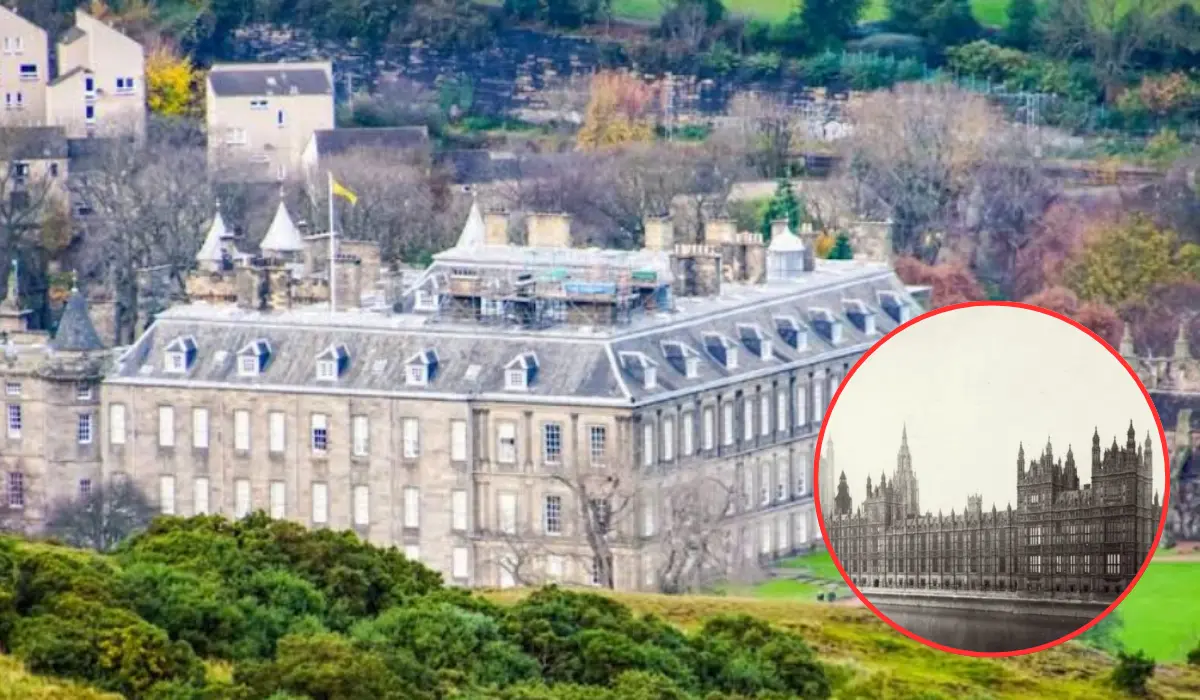
London (Britain Post News) November 4, 2026 – A final decision on how to carry out the multi-billion-pound overhaul of the Palace of Westminster has been formally postponed into the 2030s, escalating safety concerns over one of the world’s most recognizable democratic seats. Parliamentary authorities confirmed that neither a fully costed business case nor a chosen delivery schedule will be settled prior to a parliamentary vote scheduled for 2030, delaying long-term structural repairs to the House of Commons and House of Lords. The decision prolongs uncertainty surrounding the UNESCO World Heritage site, which suffers from crumbling masonry, dangerous asbestos contamination, and failing mechanical systems. With weekly interim maintenance costs rising up to £2 million, trade unions and parliamentary oversight bodies have voiced severe frustration, warning that ongoing political procrastination exacerbates physical risks to building occupants and taxpayers alike.
- Key Points
- Why Has the Final Decision on the Restoration of Parliament Been Deferred into the 2030s?
- What Are the Delivery Options and Estimated Costs for the Overhaul?
- How Are Trade Unions and Safety Authorities Reacting to the Delays?
- Background of the Particular Development
- Prediction: How This Development Can Affect Parliamentary Staff, Taxpayers, and Heritage Preservation
Why Has the Final Decision on the Restoration of Parliament Been Deferred into the 2030s?
According to parliamentary reporting published by news outlets covering the Public Accounts Committee (PAC) and the Restoration and Renewal Client Board, parliamentary authorities have deferred selecting a single long-term plan for the Palace of Westminster until 2030.
As reported in official documentation from the Houses of Parliament Client Board, the decision to delay a binding vote stems from a persistent lack of political consensus among Members of Parliament and Peers regarding whether, and to what extent, politicians should vacate the building during construction. Under governance established by the Parliamentary Buildings (Restoration and Renewal) Act 2019, the Delivery Authority was originally tasked with presenting a fully costed, definitive blueprint. However, parliamentary bodies confirmed that the final resolution will be pushed beyond the next general election, requiring a new intake of MPs to settle the debate at the turn of the decade.
To maintain momentum without committing to a single long-term model, the Client Board recommended that Parliament vote on a £3 billion, seven-year “Phase One” initial works package. This interim package aims to fund site investigations, early enabling works, and temporary accommodation planning while narrowing the long-term delivery options down from four to two for a final 2030 decision.
What Are the Delivery Options and Estimated Costs for the Overhaul?
As detailed by the Client Board’s costed proposals report, the financial and operational scale of restoring the Palace of Westminster varies dramatically depending on whether parliamentarians agree to vacate the premises.
The primary options under consideration include:
- Full Decant: Both the House of Commons and House of Lords temporarily relocate to nearby accommodation, such as the Northern Estate and the QEII Centre. Estimated to cost between £11.1 billion and £15.6 billion, taking 19 to 24 years to complete.
- Enhanced Maintenance and Improvement Plus (EMI+): A partial decant model where the House of Lords vacates for eight to 13 years and the Commons temporarily uses the Lords Chamber for up to two years. Estimated to cost between £19.5 billion and £39.2 billion, taking 38 to 61 years.
- Continued Presence: The House of Commons remains sitting in its original chamber throughout, while the Lords decants for 24 to 33 years. Estimated at £14.4 billion to £22 billion, lasting 33 to 45 years.
- Enhanced Maintenance and Improvement (EMI): A rolling 14-zone maintenance schedule designed to ensure no more than 30 per cent of the Palace is decanted at any single time. Estimated to cost between £23.3 billion and £56.3 billion, stretching construction work over an extraordinary 52 to 84 years.
An independent analysis highlighted in parliamentary committee evidence warned that opting for rolling maintenance or partial decant models dramatically escalates costs and prolongs construction timelines across multiple generations.
How Are Trade Unions and Safety Authorities Reacting to the Delays?
As documented by trade union representatives from Unite and GMB, the deferral of a definitive restoration strategy has sparked deep anger among parliamentary staff, maintenance crews, and contractor representatives.
Trade unions emphasized that parliamentary authorities are spending approximately £1.5 million to £2 million per week on interim “patchwork” maintenance just to keep the deteriorating building operational and safe. Union officials pointed out that these holding operations do not resolve core structural liabilities, such as aging electrical cables running adjacent to high-pressure steam pipes surrounded by friable asbestos.
A parliamentary safety evaluation cited in official reports warned that without comprehensive intervention, the risk of a “potentially life-threatening incident”—such as a major electrical fire, sewage failure, or masonry collapse—continues to rise. Representatives from Unite and GMB argued that deferring critical decisions defers safety for thousands of passholders who work inside the Palace daily, while exposing taxpayers to escalating holding costs.
Background of the Particular Development
The Palace of Westminster, built largely in the mid-19th century following a devastating fire in 1834, has reached a point of severe structural and mechanical obsolescence. Large portions of the building’s infrastructure—including sewage ejector systems, electrical wiring, and victorian heating pipes—have not undergone comprehensive replacement in decades.
In 2018, both Houses of Parliament originally voted in favor of a “full decant” strategy, agreeing in principle to vacate the building to allow continuous, cost-effective restoration. However, that consensus fractured over subsequent years due to political friction, concerns over public spending, and emotional resistance from parliamentarians reluctant to leave the historic chambers.
In 2019, Parliament passed the Parliamentary Buildings (Restoration and Renewal) Act, establishing a dedicated Sponsor Body and Delivery Authority to oversee the project. Subsequent governance restructures in 2022 abolished the independent Sponsor Body, transferring oversight directly back to a Client Board made up of members from the House of Commons and House of Lords Commissions. This structural shift re-politicized the decision-making process, leading directly to the repeated deferrals now pushing the final decision into 2030.
Prediction: How This Development Can Affect Parliamentary Staff, Taxpayers, and Heritage Preservation
The deferral of the Restoration and Renewal decision into the 2030s will have direct consequences for parliamentary employees, UK taxpayers, and the long-term preservation of the historic estate.
Impact on Parliamentary Staff and Daily Operations
For thousands of civil servants, researchers, catering staff, and security personnel working within the Palace, the delay means navigating persistent health and safety hazards for another decade. Operating within a building dependent on temporary repairs increases the likelihood of sudden evacuations, office closures, and environmental health risks tied to asbestos disturbance and utility outages. Parliamentary operations may face frequent sudden disruptions as maintenance crews carry out emergency interventions during parliamentary sittings.
Impact on UK Taxpayers and Public Finances
For British taxpayers, postponing a definitive decision will drive up total project costs substantially. Holding costs of £1.5 million to £2 million a week translate to roughly £100 million annually spent solely on maintaining a baseline state of repair without completing fundamental restoration. By the time Parliament votes in 2030, hundreds of millions of pounds will have been spent on preliminary plans, temporary works, and emergency fixes. Furthermore, inflation and supply chain pressures in the construction sector mean that the ultimate delivery bill for whichever option is selected will be significantly higher than current projections.
Impact on Heritage Preservation and National Reputation
For architectural historians, heritage bodies, and international conservation groups, the delay poses an ongoing threat to a UNESCO World Heritage site. Leaving structural decay, roof leaks, and aging electrical systems unresolved increases the probability of a catastrophic loss similar to the 2019 fire at Notre-Dame Cathedral in Paris. Continued political stasis risks damaging the UK’s international standing regarding heritage stewardship, transforming an iconic symbol of British democracy into a case study of institutional inertia.